
Introduction to Developing a Website Portal in English


In today’s globalized world, expanding your online presence to cater to an English-speaking audience is a strategic move for any business or organization. Developing a website portal in English can open up new markets, reach a wider audience, and enhance your brand’s international credibility. This article will guide you through the key steps and considerations involved in developing a high-quality English version of your website portal.
Market Research and Analysis
Before diving into the development process, it’s crucial to conduct thorough market research and analysis. This will help you understand the needs and preferences of your target English-speaking audience.
- Identify Your Audience: Determine the demographics, interests, and language proficiency of your target audience.
- Competitor Analysis: Analyze your competitors’ English websites to identify gaps and opportunities.
- Keyword Research: Use tools like Google Keyword Planner to find relevant keywords that your audience is searching for.
Content Planning and Localization
Localization is more than just translating text from one language to another. It involves adapting the content to resonate with the cultural nuances of your target audience.
- Content Strategy: Develop a content strategy that aligns with your business goals and caters to the English-speaking audience.
- Localization: Work with native English speakers or professional translators to ensure accurate and culturally relevant content.
- Multilingual Content Management: Implement a content management system (CMS) that supports multilingual content.
Design and User Experience
The design of your English website portal should be visually appealing, user-friendly, and optimized for different devices.
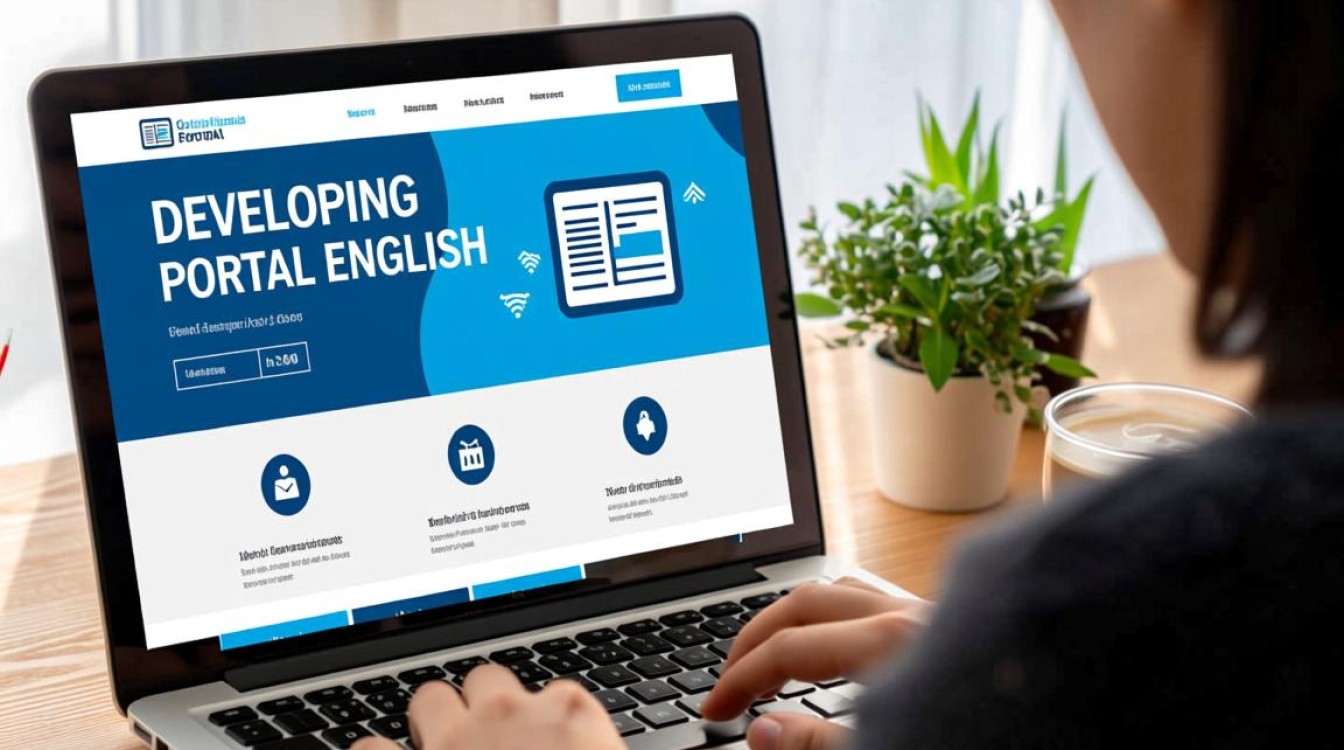
- Wireframing and Prototyping: Create wireframes and prototypes to visualize the layout and user flow.
- Responsive Design: Ensure that your website is responsive and provides a seamless experience across various devices.
- Accessibility: Follow web accessibility guidelines to make your website accessible to all users.
Technical Development
The technical aspect of developing an English website portal involves selecting the right technology stack and ensuring robust performance.
- Technology Stack: Choose a reliable and scalable technology stack that supports your website’s requirements.
- Web Development Frameworks: Utilize web development frameworks like React, Angular, or Vue.js for efficient development.
- Performance Optimization: Implement performance optimization techniques to ensure fast loading times.
SEO and Marketing
Search engine optimization (SEO) and digital marketing strategies are essential to drive traffic to your English website portal.
- On-Page SEO: Optimize your website’s content, meta tags, and URLs for search engines.
- Off-Page SEO: Build backlinks and engage in social media marketing to improve your website’s visibility.
- Email Marketing: Develop an email marketing campaign to keep your audience engaged and informed about your offerings.
Testing and Launch
Before launching your English website portal, thorough testing is necessary to ensure everything functions correctly.
- User Testing: Conduct user testing to gather feedback on the website’s usability and make necessary adjustments.
- Performance Testing: Test the website’s performance under different conditions to ensure it can handle high traffic.
- Launch: Plan a strategic launch to maximize visibility and drive initial traffic.
Ongoing Maintenance and Updates

Once your English website portal is live, regular maintenance and updates are crucial to keep it relevant and secure.
- Content Updates: Continuously update your content to keep it fresh and engaging.
- Security Updates: Regularly update your website’s software and plugins to protect against vulnerabilities.
- Analytics: Monitor your website’s performance using analytics tools to identify areas for improvement.
FAQs
Q1: How can I ensure that the English version of my website portal is culturally relevant?
A1: To ensure cultural relevance, engage with native English speakers who have a deep understanding of the target culture. They can help adapt the content and design elements to resonate with the local audience.
Q2: What are some common challenges in developing a multilingual website portal?
A2: Common challenges include maintaining consistency across languages, managing content localization, and ensuring that the website’s design and functionality are adaptable to different languages. Effective project management and collaboration with language experts can help overcome these challenges.
图片来源于AI模型,如侵权请联系管理员。作者:酷小编,如若转载,请注明出处:https://www.kufanyun.com/ask/133038.html